


Modified-PP Materials Empower The Upgrading Of Automotive Components
Sep 16, 2026
have moved beyond the single function properties of conventional general purpose plastics. Leveraging mature modification technologies, diverse product grades, reliable service condition adaptability, as well as combined strengths of regulatory compliance, low cost and easy processability, PP has become a fundamental core material for key areas including automotive interiors, exteriors, engine compartments, chassis accessories and auxiliary electrical components.Through iterative processes such as filler proportioning, additive system adjustment, copolymerization modification and composite reinforcement, the industry has developed multiple automotive grade specialty materials: low emission PP, mineral filled PP, weather resistant anti ageing PP, glass fiber reinforced PP, high toughness impact resistant PP and flame retardant PP. Each PP grade delivers distinct performance strengths for targeted application scenarios. They address multi dimensional industry pain points of auto parts regarding dimensional stability, environmental resistance, ride comfort, structural reliability and production compatibility, acting as a key enabler for refined, standardised and high end upgrading of complete vehicle components.
With the popularisation of new energy vehicles, intelligent upgrading of automobiles, plus continuously tightening national regulations for automotive safety, environmental protection and interior health, automotive components are confronted with increasingly demanding service condition requirements. Parts installed at different positions vary greatly in service environment, stress state, appearance criteria and environmental protection indexes. The diverse spectrum of modified-PP materials well caters to the trend of refined material selection in the automotive sector. Benefiting from grade diversity, application oriented performance and process compatibility, modified- PP is partially replacing conventional general purpose plastics and high cost engineering plastics and keeps gaining market penetration in automotive component applications.
I. Low--
Nowadays consumers set higher requirements for health and comfort inside vehicles. In-car VOC levels, odour grades and hazardous substance emission quantities have become critical metrics for evaluating whole vehicle quality, as well as core selling points for OEM differentiated competition. Traditional plastic interior parts tend to release volatile organic compounds under high temperature sunlight exposure and confined space conditions. Against such a backdrop, automotive dedicated low emission modified-PP has become the preferred substrate for interior components.
Adopting specialised polymerisation processes, small molecule removal treatments and eco-friendly additive replacement technologies, this PP grade cuts residual monomers, oligomers and volatile additives inside the material at source. It stably achieves core properties of low-VOC, low-odour and low-fogging, fully complying with national standards, industrial specifications and interior material environmental protection requirements of major automobile manufacturers.
Compared with ordinary PP, low-emission PP undergoes post-treatments such as high temperature baking for odour removal and devolatilisation under vacuum. No obvious odour is released in a confined environment at 80 ℃, while the fogging value is drastically reduced without fog deposit formation on windshields, effectively improving interior air cleanliness.
such as instrument panel skeletons, door interior trims, A/B/C pillar trims, on-board storage boxes, armrest housings and seat trims. It covers cabin interior systems for passenger vehicles and new energy models alike, laying a solid material foundation for smart and health oriented cockpits. Meanwhile, low emission PP retains excellent processability of base resin while guaranteeing environmental performance. It delivers high surface flatness and uniform colouring, directly compatible with multiple interior surface finishes including matte frosted, fine textured and grain etched surfaces without additional painting. Production workflows are simplified and secondary pollution from painting processes is avoided, satisfying requirements for interior aesthetics, ride health and green manufacturing.
II. Mineral-
generally feature big dimensions, long spans and abundant thin wall structures. Shrinkage induced deformation, warpage, uneven assembly gaps and driving time rattling frequently occur during production and vehicle fitting, constituting long standing process challenges for component manufacturers.
By adding ultra fine mineral fillers such as talcum powder, calcium carbonate and mica, mineral filled modified-PP precisely optimises moulding shrinkage rate and coefficient of thermal expansion, fundamentally solving deformation problems of plastic components. Finely proportioned mineral filled PP exhibits outstanding dimensional stability and balanced rigidity. Moulded parts show extremely low deformation, free from micro distortion under long term alternating high low temperature exposure. It strictly meets assembly tolerance specifications for vehicle interiors and effectively eliminates quality defects such as uneven gaps, loosening and rattling for large size instrument panels, large door trims and centre console trims after installation.
Furthermore, mineral fillers greatly enhance heat resistance and surface hardness. Interior components resist scratches, abrasion and softening and maintain proper assembly conditions over long service life. In addition, this material boasts prominent cost performance advantages. Compared with glass fiber reinforced materials, mineral filled PP delivers superior surface smoothness without floating fiber defects, eliminating complex post grinding and repairing work and significantly raising product yield.
Thanks to accurate dimensional performance, fine surface quality and high cost efficiency, mineral filled PP serves as a core material choice for high end automotive interior parts, extensively used for various high precision, large size interior structural and cosmetic components.

III. Weather--
are permanently exposed to natural environments, subject to harsh operating conditions including direct UV radiation, alternating high-low temperature cycles, rain erosion, acid alkaline corrosion, salt spray attack and sand dust abrasion. Extremely high standards are imposed on anti-ageing performance, weather resistance, discoloration resistance and crack resistance.
Weather dedicated modified-PP targets ageing related pain points of exterior parts. Formulation optimisation with high-end UV absorbers, light stabilisers, thermal oxidation stabilisers and other functional additives establishes a comprehensive anti-ageing protection system for the material.
It endures extreme temperature swings ranging from -40 ℃ to 120 ℃. After thousands of hours UV ageing tests, salt spray tests and thermal cycling tests, it retains stable mechanical properties and appearance without ageing phenomena such as discoloration, cracking, chalking or peeling. Service life of corresponding parts can be basically synchronised with vehicle service life.
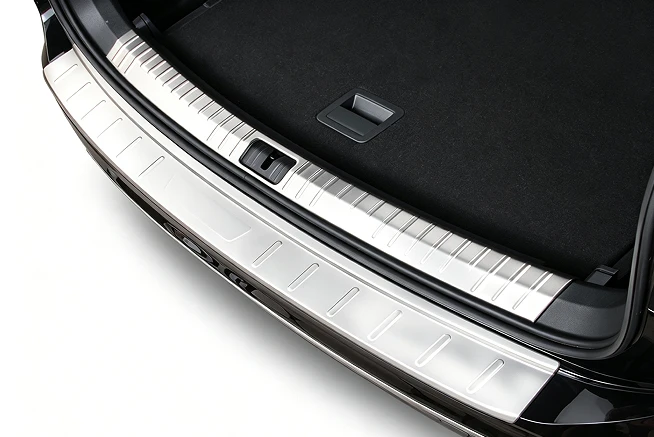
At present, weather resistant PP is fully applied to full vehicle exterior plastic parts including bumper substrates, wheel‑arch trims, side skirt panels, outside rear view mirror bases, door anti‑scratch strips, roof mouldings and trunk exterior trims. Weather resistant-PP components maintain reliable performance whether in sun scorched southern regions, salt spray humid coastal zones or frigid northern areas. It drastically lowers ageing failure rates for vehicle exterior parts and reduces owners' later stage maintenance and replacement costs.
IV. Glass--reinforced PP
Components installed in engine compartments, chassis and vehicle connection brackets sustain long term mechanical loads, vibration shocks and high temperature baking, requiring high rigidity, structural strength, creep resistance and load bearing capacity.
Composite reinforced by adding glass fibers, glass-fiber-reinforced modified-PP breaks performance limitations of neat PP and achieves leap forward improvement in strength and rigidity. Reinforced-PP grades with 10 %, 20 %, 30 % glass fiber content or other specifications are manufactured to precisely satisfy component demands of different load bearing levels.
Such materials realise substantial improvements in tensile strength, flexural rigidity and compression resistance with excellent creep resistance. No permanent deformation occurs under sustained long term loading, and mechanical vibration and impact loads are stably withstood. Meanwhile, modified glass-fiber-PP mitigates traditional drawbacks of glass-fiber plastics such as floating fibers, brittleness and poor processability, balancing structural strength and moulding feasibility.
Currently glass-fiber-reinforced PP is widely adopted for automotive : engine compartment shields, chassis protective brackets, auxiliary battery pack fasteners and lamp mounting bases. It favourably replaces certain high cost engineering plastics. While ensuring structural safety and stable load bearing, it optimises complete vehicle supply chain costs and acts as a core material for lightweighting and cost reduction of OEM structural parts.
V. High-toughness Impact-resistant PP & Flame-retardant PP
Besides mainstream modified grades, two sub-categories - high-toughness impact-resistant PP and flame-retardant PP - further enrich the application portfolio of automotive-PP materials for special component scenarios featuring frequent wear or high safety risks.
-- features low temperature toughness and impact resistance. Elastomer based toughening modification solves low temperature brittle fracture weaknesses of ordinary plastics. It retains favourable toughness under extreme low temperature conditions and avoids cracking or fracture upon knocking, impact or squeezing. This material is mainly used for automotive clips, cover plates, buffer pads, flexible interior connectors and other components subject to frequent opening closing or easy knocking. It greatly reduces component breakage risks and improves durability and reliability of vehicle mounted parts.
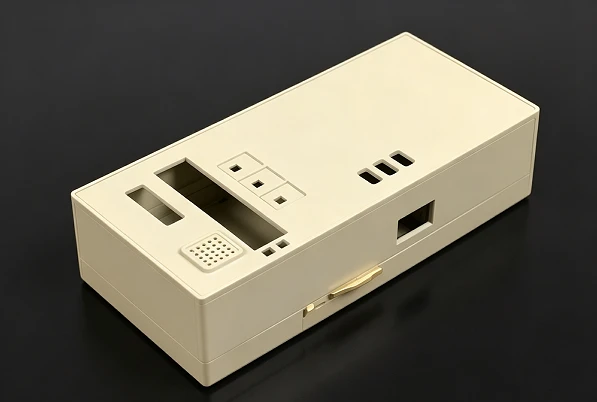
- focuses on automotive electrical safety protection. Modified via an eco-friendly halogen free flame retardant system, it exhibits outstanding self extinguishing upon ignition, anti combustion and heat insulation properties. No open fire spread or toxic smoke emission occurs during combustion, fully meeting fire safety standards for automotive electrical parts. It is now extensively used for such as on-board electrical appliance housings and battery peripheral protective parts. It effectively prevents fire hazards triggered by circuit overload and short circuits, building up whole vehicle electrical safety barriers and complying with material selection requirements for high voltage electrical systems of new energy vehicles.

VI. Expanding Application Boundaries of PP Materials
efficiency. Development of automotive-PP materials will keep focusing on upgrading for niche scenarios. High end modified materials such as low odour ultra weather-resistant PP, flame retardant heat resistant PP and antibacterial interior dedicated PP will keep emerging to fill material‑selection gaps for auto parts operating under special service conditions.
Alongside continuous upgrading of new energy vehicles and intelligent connected vehicles, emerging component scenarios for battery systems, smart cockpits and on board electrical systems keep arising. Multi grade modified-PP materials, endowed with rich performance portfolios, good recyclability and consistent overall quality, will keep replacing conventional materials and become indispensable core substrates for automotive component manufacturing. They steadily promote the automotive parts industry toward refinement, high quality performance, green development and cost effectiveness.


