


Fuel-Tank Caps Reshape The New Ecosystem Of Automotive Components
Sep 21, 2026
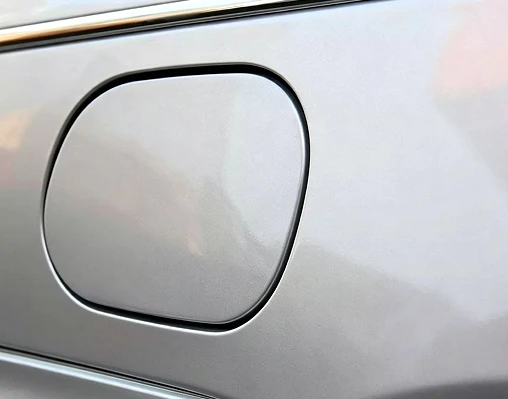
such as fuel-tank caps. As a key protective component of the automotive fuel system, the - performs core functions including sealing against leakage, anti-theft protection, dust prevention and water resistance. Since 2026, domestic and foreign automakers and component manufacturers have been advancing the iteration of fuel-tank cap products. Comprehensive upgrades have been achieved across multiple dimensions: mechanical structure, intelligent technology, safety protection, aesthetic appearance and market adaptability. Fuel-tank caps have evolved into refined , serving as an important epitome of vehicle quality improvement.
I. Technological Iteration
Looking back on the development history of automotive fuel-tank caps, products have witnessed leap forward technological upgrades. Early conventional fuel-tank caps mainly adopted purely mechanical manual locking structures. Simple in structure and limited in function, they were opened and closed by manual rotation and fixed by snap fit fasteners. Suffering poor sealing performance and stability, they tended to loosen, jam or fail to seal tightly after long term service. This not only caused fuel volatilization losses, but also allowed dust and rainwater to ingress, shortening the service life of the fuel system.
--. New generation products are equipped with electric opening and closing modules and high‑ precision sensor chips, which interact in real‑time with the on-board ECU system to realize automatic and intelligent management. After the vehicle is started, the system automatically detects the closed state of the fuel-tank cap. In case of incomplete locking or false engagement, the instrument panel will trigger an immediate warning alert, thoroughly solving the long‑standing industry pain point of unmonitored closing status for traditional fuel‑tank caps. Statistics show that fuel‑tank caps with intelligent status monitoring can reduce the probability of abnormal fuel consumption and fuel line malfunctions caused by poor sealing by 72 %, greatly lowering potential safety hazards for vehicle owners. In addition, cap less refuelling technology is gaining popularity. Eliminating conventional rotary fuel-tank caps, it relies on built in sealing baffles for automatic opening and closing, avoiding common problems such as lost caps, forgotten closure and insufficient tightening. It has become a major upgrading trend for family passenger vehicles.

II. Safety Protection
Safety performance is the core demand driving fuel tank cap iteration. 2026 new model fuel-tank caps have achieved comprehensive optimisation in three dimensions: fuel safety, anti theft and tamper resistance, and extreme environment protection, meeting demands of full range vehicle types including passenger cars, commercial vehicles and recreational vehicles (RVs).
, a new composite sealing structure has become standard equipment. The double layer sealing rubber ring with adaptive fitting design effectively blocks fuel volatilization, reduces in vehicle odour and fuel loss, and prevents rainwater, sediment and impurities from entering the fuel tank so as to avoid faults such as fuel deterioration and fuel line blockage. For harsh operating conditions including high temperature, extreme cold, salt spray and heavy rain, new model products adopt composite materials of high strength engineering plastics and metal skeletons, delivering greatly enhanced UV resistance and salt spray corrosion resistance, and adapting to all‑region and all‑season driving scenarios.
scenario specific products keep emerging. Targeting high frequency fuel theft risks for RVs and large commercial vehicles, new overseas lockable fuel tank caps have been launched commercially. They can directly replace factory fuel inlet structures and prevent unauthorised opening and fuel siphoning via physical locking mechanisms, compatible with multiple mainstream RV models. Intelligent Bluetooth enabled anti theft fuel tank caps for freight fleets have become an industry highlight. Linked with fleet management systems and mobile‑phone terminals via Bluetooth, they trigger remote alarms immediately upon detecting prying or illegal opening, enabling real time risk prevention and effectively addressing fleet pain‑points of fuel theft and difficult traceability. High end luxury vehicles realize linkage with the whole‑vehicle security system. New models from multiple brands are fitted with RFID intelligent identification and mobile phone remote controlled fuel-tank caps, synchronised with passive keyless entry and vehicle anti theft systems. Functions including remote status query, access right management and geolocation based traceability comprehensively improve fuel usage safety.
III. Convenience and Emergency Practicality
To address real world vehicle usage challenges, newly iterated fuel-tank cap products are fully tailored to owners' full scenario demands. Moving away from simplistic and outdated designs, they deliver optimised experience covering two core scenarios: convenient daily operation and emergency response to sudden faults, achieving dual upgrades of "intelligent convenience and human centred emergency handling", and effectively remedying multiple drawbacks of traditional products.
, intelligent upgrading streamlines refuelling operations. Mainstream intelligent electric fuel-tank caps break conventional manual opening closing modes and adopt multi channel intelligent activation systems. They support multiple convenient triggering methods: in vehicle physical buttons, central,control screen touch control, and touch to open unlocking upon vehicle shutdown, adapting to diverse user habits. After the vehicle is shut down and unlocked, owners only need to give the cap a light tap for automatic pop open. Cumbersome steps such as repeated rotation, manual alignment and locking are eliminated. Refuelling can be completed efficiently even in rainy weather or at night. The industry prevailing cap less refuelling system further elevates user experience. Removing the external fuel-tank cap, it realizes automatic opening, closing and sealing through built in precision sealing baffles. No cap twisting, storage or locking operations are required throughout the process. It fundamentally prevents awkward issues such as lost caps, forgotten closure and insufficient tightening. Perfectly suited for urban commuting, long distance highway self‑driving and cross region travel, it greatly enhances daily driving convenience and premium feel.
, the industry has targeted shortcomings of purely electronic structures and developed complete fault‑emergency solutions to eliminate hidden risks of intelligent fuel‑tank caps. New‑vehicle supporting fuel‑tank caps are universally equipped with hidden physical emergency‑unlocking mechanisms. When the electronic system fails, vehicle owners can perform quick manual unlocking via dedicated emergency switches or cable pull devices. Featuring simple operation and high fault tolerance, the design avoids travel risks brought by purely‑electronic solutions. It mitigates frequent‑failure risks of fuel‑tank caps and substantially reduces vehicle‑repair difficulty and later‑stage maintenance costs compared with replacing the whole actuator, balancing practicality and cost effectiveness.
IV. Niche Market Segments
With growing car parc and accelerated model iteration, the niche market for automotive fuel‑tank caps is steadily expanding. The current market exhibits obvious multi tier competition patterns. still adopt traditional purely mechanical structures. Benefiting from mature processes, low prices and broad compatibility, they mainly serve the after sales replacement market for aged vehicles, satisfying basic demands for sealing and protection. As market mainstays, are widely equipped with semi automatic sealing structures and basic electronically controlled opening closing designs. Improved sealing performance and operating convenience meet OEM matching and after sales replacement demands for most family passenger vehicles for daily commuting. go beyond basic function competition and focus on core upgrades of intelligence and safety. Integrated with intelligent status sensing, remote data management, intelligent anti theft traceability and other core functions, they feature high safety, broad adaptability and advanced manageability. They are targeted at high end and niche commercial markets including luxury passenger vehicles, professional freight commercial vehicles, special purpose engineering vehicles and recreational vehicles, filling matching gaps for specialised vehicle models.
Clear industry technological trends point toward intelligence, connectivity and customisation. The market penetration of intelligent fuel tank caps equipped with status monitoring, intelligent early warning, Bluetooth linkage and anti theft traceability will keep rising. New technologies including biometric identification, full‑coverage mobile phone control and vehicle machine linked traceability will be gradually popularised. Meanwhile, scenario oriented customised products are further segmented. Product categories including anti theft caps for RVs, fleet management oriented caps for commercial vehicles, intelligent early warning caps for household use and personalised modified caps keep diversifying. They precisely satisfy differentiated demands of various users and vehicle types, driving in depth specialisation, refinement and high end transformation of the fuel-tank cap niche market.
The compact fuel-tank cap witnesses the refined upgrading of the automotive component industry. Evolving from a mechanical part dedicated merely to sealing and protection into a multi functional intelligent component integrating intelligent monitoring, anti theft protection, convenient operation and data traceability, its iteration serves as a miniature epitome of the automotive industry's transformation from "basic mobility" toward "premium intelligence". With continuous breakthroughs in manufacturing processes and intelligent technologies, fuel-tank caps will keep advancing toward higher safety, greater intelligence, better durability and more personalised features. Detail oriented upgrades will continuously improve users' full scenario driving experience.


